
Understanding the psychology of gambling What makes us take risks
The Thrill of Uncertainty
Gambling inherently involves uncertainty, which can be both exhilarating and daunting. This thrill stems from the unpredictable nature of outcomes, where players can feel a rush of adrenaline as they place their bets. For those looking to explore online options, https://playigo.net/en/ provides a plethora of games that capitalize on this psychology. The psychological concept of “risk-taking” is often fueled by this unpredictability, drawing individuals into a cycle of excitement and anticipation.
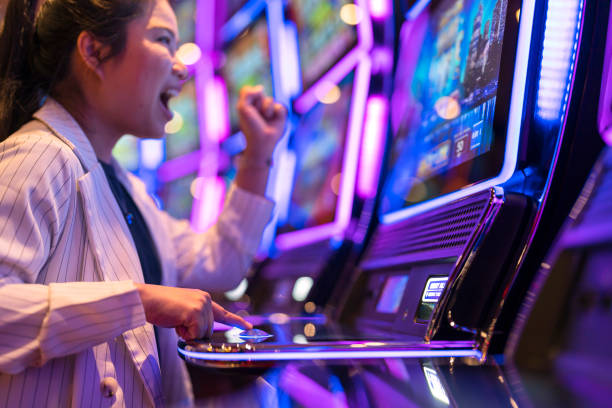
This thrill can lead to a heightened emotional state, which may cause individuals to underestimate the potential consequences of their actions. As excitement builds, the brain releases dopamine, a neurotransmitter associated with pleasure. This biological response can reinforce gambling behavior, making players eager to experience that rush again and again.
Cognitive Biases in Gambling
Cognitive biases play a significant role in gambling behavior, influencing how individuals perceive their chances of winning. For instance, the “gambler’s fallacy” leads many to believe that past outcomes affect future results, even in independent events like coin flips or slot machine spins. This misconception can compel players to continue betting in hopes of a win, despite statistical evidence to the contrary.
Additionally, the “illusion of control” allows gamblers to feel that they can influence outcomes through their actions, such as selecting specific numbers or using strategic betting tips. This false sense of control can further encourage risk-taking, leading players to engage in more bets than they might otherwise consider reasonable.
Social Influences on Gambling Behavior
The social environment significantly impacts gambling behavior, with peer pressure and social cues often encouraging individuals to take risks. Many people are influenced by their friends or family members, perceiving gambling as a shared activity that fosters bonding and socialization. This communal aspect can amplify the excitement and make it feel more acceptable.
Moreover, the normalization of gambling in various cultures and communities can shape perceptions of risk. When gambling is portrayed positively in media or is a common social activity, individuals may be more likely to participate without fully considering the potential consequences of their actions.
The Role of Marketing in Gambling
Marketing strategies employed by gambling establishments can heavily influence players’ perceptions and behaviors. Advertisements often highlight big wins and the glamorous lifestyle associated with gambling, creating an enticing image that can lure individuals into betting. These marketing tactics can downplay the risks and challenges, focusing instead on the potential for significant rewards.
Furthermore, promotional offers like welcome bonuses and free bets can entice new players, encouraging them to take risks they might not have otherwise considered. This marketing approach capitalizes on the psychological principle of scarcity, suggesting that limited-time offers create urgency and the fear of missing out, pushing individuals to engage in gambling activities.

Playigo Casino: A Safe Gaming Environment
Playigo Casino understands the complexities of gambling psychology and aims to provide a secure and engaging gaming environment for players. With a diverse selection of over 2,400 slot games and 180 table games, including live dealer options, players can explore various options while keeping their gaming experience enjoyable and responsible.
Moreover, Playigo Casino prioritizes user satisfaction through clear bonus terms, fast payment processing, and customizable account controls, ensuring players have control over their gambling habits. By fostering a safe and transparent atmosphere, Playigo Casino aims to enhance the player experience while promoting responsible gaming practices.