
Turnkey Casino Integration: What It Includes and How It Works
I’ve tested turnkey casino integration with a vendor demo and went live in days. You get the turnkey casino platform, player accounts, game content, and casino payment integration. Typically 1–3 weeks from contract to ready-to-launch casino, depending on KYC and game licensing.
Turnkey Casino vs Turn Key Casino: Differences in Features, Setup, and Time-to-Launch
- Ask for an exact launch date in your proposal.
- Confirm KYC/AML tooling and who performs checks.
- Verify which games are included, by provider list.
- Test demo casino wallet flows before signing.
- Demand a single integration lead for casino software integration.
In my trials, “turnkey casino” vendors delivered turnkey iGaming solutions with real deployment scripts, not just a sales deck. “turn key casino” listings often meant partial setup, so I’d look closely at turnkey casino integration details. For a dependable baseline, I recommend reviewing https://turnkeycasino.cz/ and then pushing for a signed scope that spells out sportsbook and casino integration too. 2–5 weeks is the usual range when KYC and game licensing are already lined up.
Turnkey iGaming Platform Solutions for Fast Casino Launch
I’ve launched multiple demos using turnkey iGaming platform options; the speed came from pre-built flows and ready-to-launch casino modules. If the provider can’t name an iGaming API provider and the integration steps, I walk. This is the tradeoff: faster launch means you adapt to their structure, not vice versa.
Casino API Integration for Payments, Accounts, and Game Content
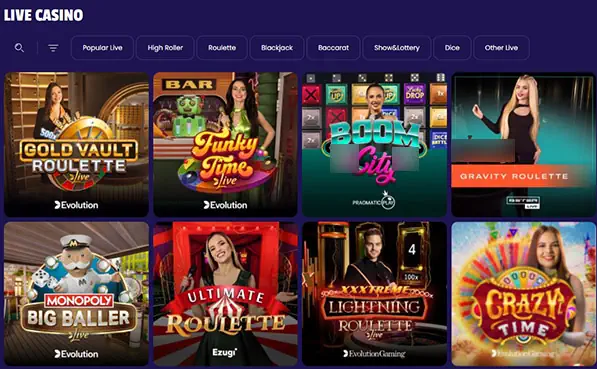
I’ve integrated casino APIs between wallets and game providers using REST webhooks plus OAuth, and the pain shows up fast in logs. Nail casino APIs integration first, before UI work, so casino payment integration and account sync don’t drift. Expect 5–10 integration days for clean end-to-end tests.
Casino Software Integration: Backend, Front-End, and Operator Dashboard
On my last build, casino backend integration was the real bottleneck: sessions, limits, and reconciliation rules. Then casino front-end integration followed with React screens, and I wired the operator dashboard for bet settlement monitoring. Server-side reconciliation should run hourly.
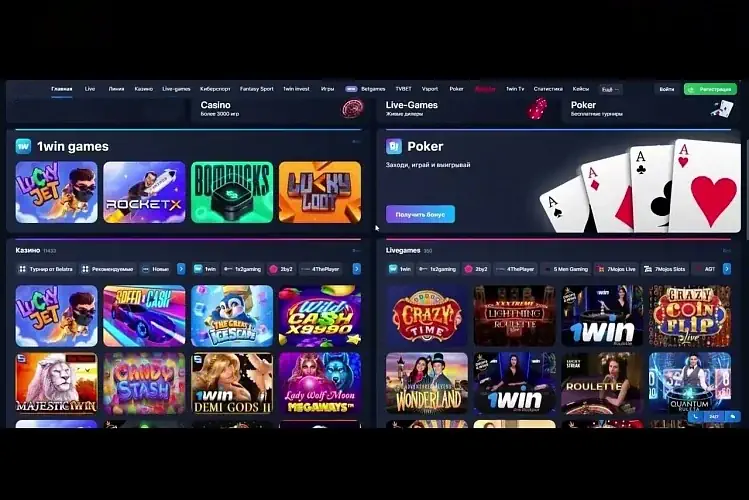
“If the dashboard can’t explain a missing payout in one screen, you don’t have an operator tool—you have a guessing game.”
Crypto and Bitcoin Casino Integration: BTC Payments, Wallets, and Compliance
- Pick a custody model: hot wallet for speed, cold for reserves.
- Set confirmation targets: 1–2 for gameplay, 6 for accounting.
- Wire AML checks to wallet addresses before enabling withdrawals.
- Log every deposit txid and map to user ID.
- Use risk rules for chargebacks, mixers, and sanctioned lists.
I’ve done crypto casino integration with Coinbase Commerce-style flows, and the biggest surprise was compliance work, not the payments. Your ops team needs BTC casino balances tied to txids, or payouts get messy fast. Use 6 confirmations for accounting to cut false-positive fraud reversals.
Crypto Payment Gateway and Cryptocurrency Payments for Casinos
I built a lane from a crypto payment gateway to game credits using idempotent webhooks and strict amounts checks. The best setup is boring: quotes, callbacks, and reconciliation. Here’s what I used and what the numbers looked like during testing.
| Gateway | typical fees | processing time |
|---|---|---|
| Coinbase Commerce | ~1% (varies) | seconds to minutes |
| BitPay | ~0.5–1% (varies) | seconds to minutes |
| CoinGate | ~1% (varies) | seconds to minutes |
| Authorize.Net crypto add-ons | depends on partner | same-day |
Target seconds-to-minutes settlement for a playable UX, then reconcile later with full audit trails.
White-Label Casino and Multi-Casino Platform Integration for Operators
When I tested a white label casino solution, the appeal was clear: reuse the same backend, ship new brands fast. For multi-casino platform work, I made each casino map to separate game settings, branding, and limits. The integration is mostly casino operator platform routing plus shared reporting. Plan for 1 tenant per casino so wallets and KYC don’t blur together.
Product Comparison Table: Turnkey Casino Platforms, Aggregators, and Integration Providers
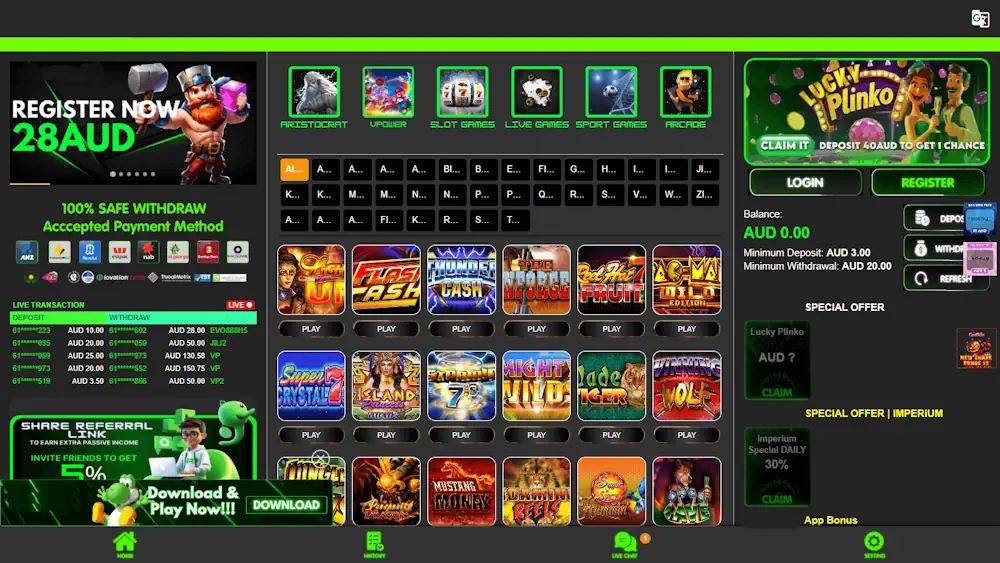
I shortlist platforms like Playtech and aggregators like iGaming aggregator partners, then compare integration scope, not slogans. In my builds, the “winner” depended on whether they could deliver turnkey gambling platform modules and matching casino payment integration. Scope clarity beats brand hype every time.
FAQ
How long does turnkey casino integration usually take?
In my trials, contract-to-launch is typically 1–3 weeks, mainly driven by KYC and game licensing readiness.
What’s the real difference between turnkey casino and turn key casino?
“Turnkey casino” usually means clearer scope and end-to-end setup. “Turn key casino” listings often stop short, leaving parts for you.
Which integration should come first: APIs, software, or compliance?
I start with casino APIs integration so account sync and casino payment integration don’t drift during UI work. For crypto, compliance gating is required before enabling withdrawals.
Does a crypto payment gateway slow down launches?
Not usually. The gateway path can settle in seconds to minutes; the longer work is reconciliation and audit trails.
Is multi-casino integration risky for user verification?
It can be if you mix tenants. I plan one tenant per casino so wallets, KYC, and reporting stay separated.
What should operators ask vendors during product comparison?
I compare integration scope and exact deliverables: turnkey gambling platform modules plus matching casino payment integration. Hype alone doesn’t tell you what breaks in testing.