
The Motivations Behind Casino Visits
Understanding why people visit casinos involves delving into various psychological factors. Many patrons are drawn to the thrill and excitement that come with gambling, which can provide an escape from daily routines. The anticipation associated with games of chance can create an adrenaline rush, leading to a desire for repeated experiences, much like those experienced when playing pokies online that offer similar levels of excitement and engagement. This phenomenon often becomes a significant driving force, compelling individuals to return to casinos in search of that elusive excitement.
Additionally, social factors play a critical role in casino attendance. Casinos are often designed to be social hubs where individuals can gather, interact, and share experiences with friends or family. This social interaction can enhance the enjoyment of gambling, as players often engage in conversations, celebrate wins, and support one another during losses. Consequently, the communal aspect of gaming contributes significantly to the allure of casinos for many patrons.
Moreover, the potential for financial gain cannot be overlooked. While most patrons understand the risks involved, the allure of winning money—even if it’s a long shot—remains a powerful motivator. The concept of ‘near misses’ in games can further entice players. When individuals experience a close call, they often feel a rush of excitement, which can lead them to continue betting in hopes of eventually hitting the jackpot.
The Role of Environment in Gambling Behavior
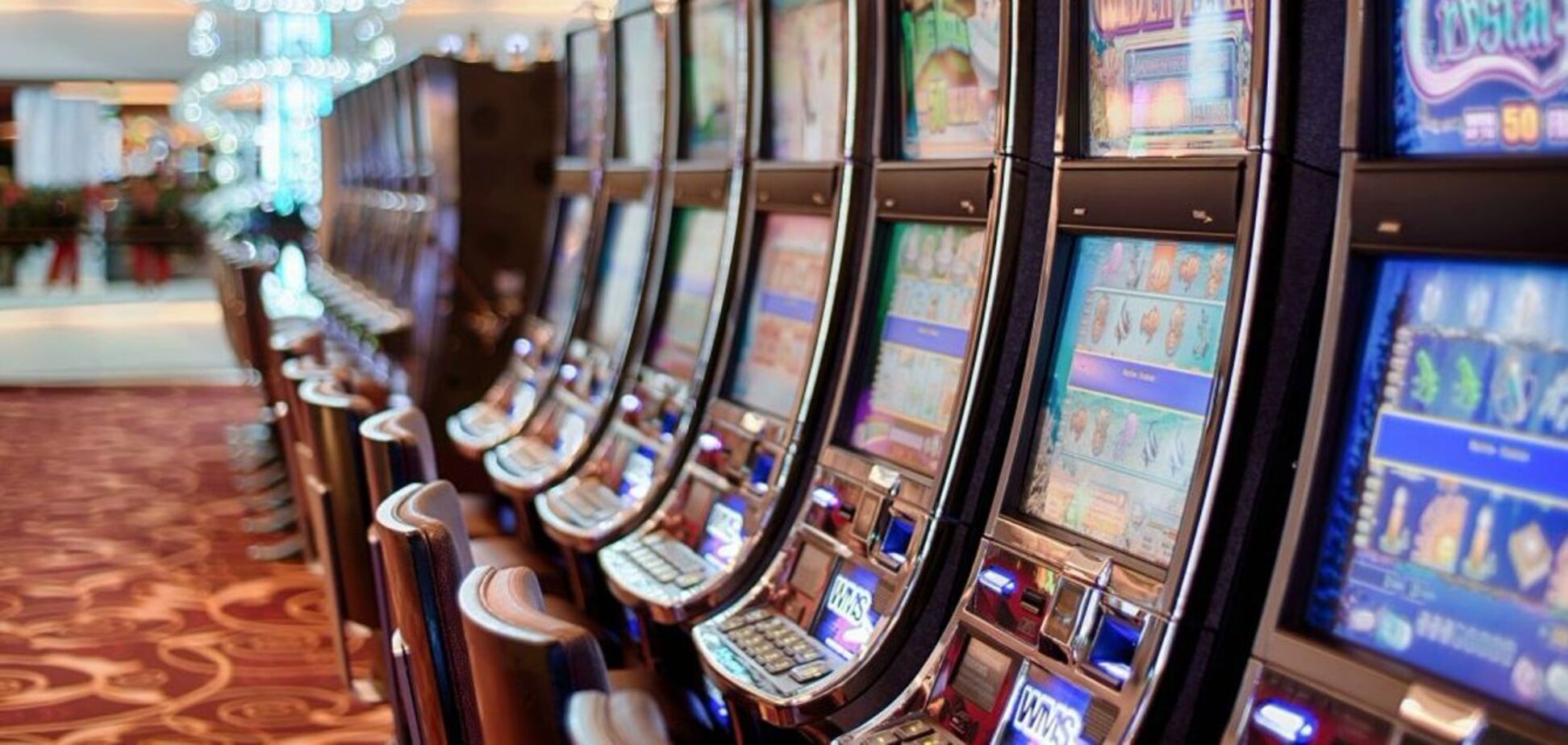
The environment within casinos is meticulously crafted to influence patron behavior. The layout, lighting, and sound design of a casino are tailored to create an immersive experience that encourages prolonged stays. For example, the absence of clocks and windows helps to disconnect patrons from the outside world, making the passage of time irrelevant and promoting extended gambling sessions.
Furthermore, the use of engaging visuals and sounds enhances the overall ambiance of the gaming floor. Bright lights, cheerful music, and the sounds of coins cascading create an environment that is both stimulating and inviting. This sensory overload can trigger emotional responses that keep players engaged and less aware of their spending habits, leading them to gamble longer than intended.
Cognitive biases also come into play in this carefully crafted environment. Casinos exploit tendencies such as optimism bias, where individuals might believe they are luckier than others, or the illusion of control, which leads players to think they can influence the outcome of games. These psychological tendencies can result in continued play, as patrons are often overconfident in their gambling decisions, believing that their next bet could yield a substantial reward.
The Impact of Cognitive Dissonance on Gambling Choices
Cognitive dissonance is a psychological phenomenon that occurs when an individual experiences discomfort due to conflicting beliefs or values. In the context of casinos, patrons may struggle with the tension between the desire to win and the reality of losing money. This dissonance can lead them to justify continued gambling as a way to resolve the discomfort. They may convince themselves that they are only one game away from a big win, despite accumulating losses.
This mindset can result in a dangerous cycle of reinforcement. As players chase their losses, their emotional response may intensify, leading them to engage in riskier gambling behaviors. The search for validation through wins can overshadow their financial reality, creating a situation where they remain trapped in a loop of gambling to alleviate their psychological discomfort.
Moreover, casinos often employ marketing strategies that contribute to this dissonance. Promotions, free spins, and loyalty programs can encourage patrons to minimize the perceived risk of gambling. When players receive rewards or bonuses, they may feel encouraged to continue their play, reinforcing the notion that their losses are not significant and that eventual success is just around the corner. This can perpetuate a hazardous cycle that ultimately impacts their financial and emotional well-being.
The Influence of Gamblers’ Fallacy
The gamblers’ fallacy is a common cognitive bias that significantly affects the decision-making process of casino patrons. This fallacy leads individuals to believe that past outcomes in games of chance influence future results. For instance, if a player observes a slot machine not hitting for a while, they may wrongly assume that it is ‘due’ for a payout. This belief can lead to irrational betting patterns, compelling players to wager more in hopes of capitalizing on a perceived imminent win.

This phenomenon is particularly potent in environments where chance plays a significant role. With games like roulette or slot machines, the unpredictability of outcomes can cause players to rely on past performances as indicators of future success. Such misconceptions can result in detrimental financial decisions, as players continuously increase their bets based on flawed reasoning.
Additionally, the gamblers’ fallacy can create a tumultuous emotional journey for patrons. The highs and lows of perceived ‘near wins’ can dramatically affect their mental state, leading to feelings of excitement, frustration, or despair. This emotional rollercoaster can enhance the gambling experience, pushing players to remain engaged in the hopes of achieving the anticipated victory. Ultimately, understanding this psychological bias is crucial for recognizing how it influences the behavior of casino patrons.
Exploring Resources for Responsible Gambling
As the complexities of patron psychology in casinos become more evident, it’s essential to emphasize the importance of responsible gambling. Numerous organizations and websites offer resources designed to promote safe gambling practices and educate players about the risks associated with gambling addiction. By understanding their motivations and the psychological dynamics at play, patrons can make more informed decisions regarding their gambling habits.
These resources often provide tools and strategies for individuals to assess their gambling behavior. For instance, self-assessment questionnaires and educational materials can help players determine if their gambling habits are becoming problematic. Furthermore, many casinos also implement responsible gambling policies, which may include limits on betting and access to support services for individuals seeking help.
Ultimately, fostering awareness and understanding the psychology of casino patrons can significantly impact the gaming experience. When individuals are equipped with knowledge and resources, they are more likely to develop a balanced approach to gambling, ensuring that it remains an enjoyable form of entertainment rather than a source of distress.